The Design-Led Advantage: Elevating Technical Delivery through Empathy and a Human-Centered Approach
How human-centered design and design thinking improve technical delivery in complex, regulated environments.
As a new member of the Cloudloop team, I’ve spent my first few weeks reflecting on the unique challenges our clients face in the Salesforce ecosystem.
My perspective is shaped by my background in engineering, a graduate degree in business and design thinking. And from having worked across a number of different industries.
This blend has led to a consistent realization: in complex, regulated environments, digital transformation rarely fails because of technical limitations. It fails when solutions are designed without a deep understanding of the people and workflows they are meant to support.
What I’ve found works, and what I’m excited to bring to the work we do at Cloudloop, is the approach of human-centered design and a design thinking methodology can prove their value — not as abstract innovation concepts, but as practical tools for navigating complexity. When applied intentionally, human-centered design tools such as personas and journey maps, wireframes and prototypes, even interviews and usability testing, can all help teams move from disconnected technical requirements to real world solutions quickly and easily, driving real value.
The Blueprint: Empathy as a Requirements Tool
The most successful digital transformations begin with a deep understanding of the "as-is" state before jumping to the "to-be" solution.
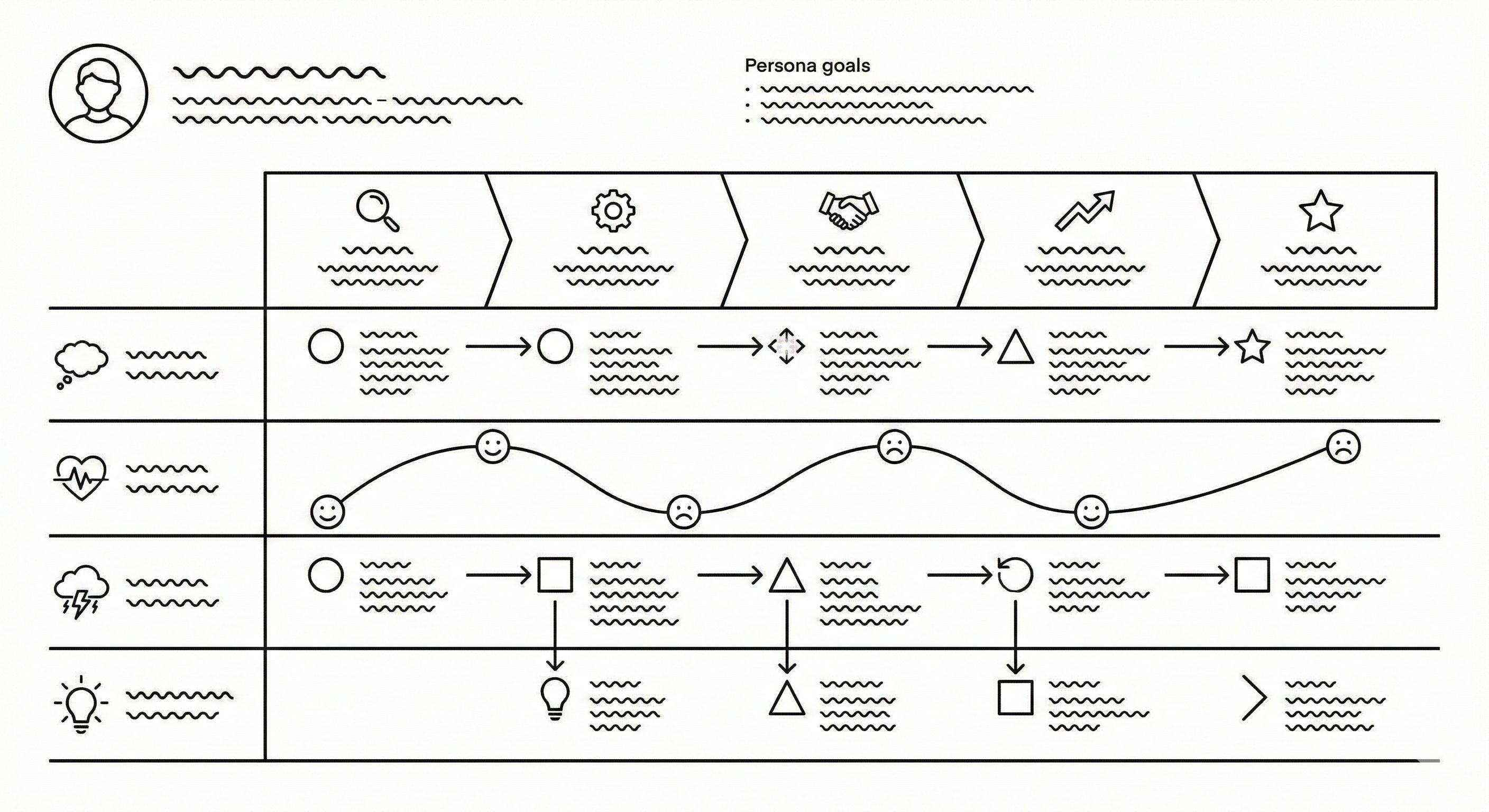
While technical discovery often focuses on data fields and API endpoints, a human-centered approach utilizes personas, empathy maps, and journey maps to understand the high-stress moments and hidden pain points of the end-user.
In reimagining the gate experience for Alaska Airlines, for example, the focus was on mapping the end-to-end journey for both passengers and gate staff. By identifying the exact moments of friction during the boarding process, it was possible to contrast current frustrations with an "ideal" future state. This empathy-driven mapping ensured the final vision didn't just automate a broken process, but actually addressed the fundamental needs of the people using the system.
When this level of rigor is applied to ecosystems like Salesforce, the focus shifts.
We move beyond the technical configuration of the platform and begin architecting for the human experience, ensuring the interface reduces friction rather than adding to it.
By understanding why a specific workflow is difficult, we can design interfaces that surface the right data at the right time, leading to higher adoption and more accurate data entry.
The Bridge: Visualization through Prototyping
There is often a significant gap between what a stakeholder thinks they want and what a user actually needs. Bridging this gap requires moving quickly from words to visuals using sketches, wireframes, and prototypes.
This prototyping mentality was a major driver of success during an innovation program for T-Mobile. Rather than spending months on a full-scale build for a new conversational commerce channel, the team utilized low-fidelity wireframes and rough prototypes to test customer acquisition via Facebook Messenger. This allowed for real-world feedback on the customer’s willingness to transition from a digital chat to an in-store purchase before significant resources were committed.
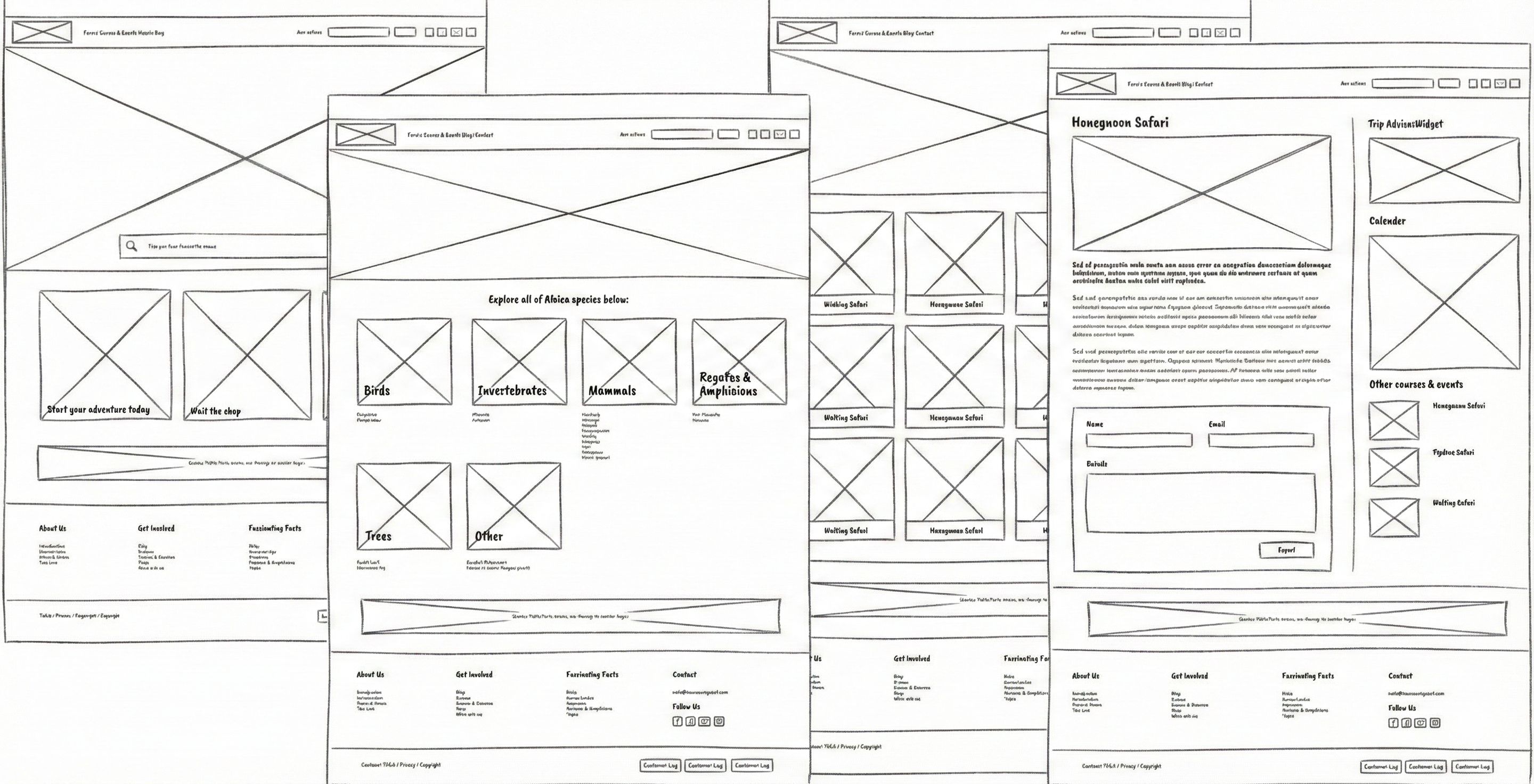
This approach acts as a massive accelerator for the work we do at Cloudloop. Whether serving Retail, High-Tech, or Health sectors, creating high-fidelity mockups allows stakeholders to "test drive" a solution before it is fully configured. It is far more cost-effective to iterate on a prototype than it is to rework a complex automated flow after it has been deployed.
The Validation: Research that Drives Growth
Design thinking is fundamentally a data-driven discipline. To ensure a solution delivers measurable value, it must be validated through the likes of surveys, interviews, and usability testing.
This research-first approach proved critical, especially during a high-risk merger, at Columbia Bank.
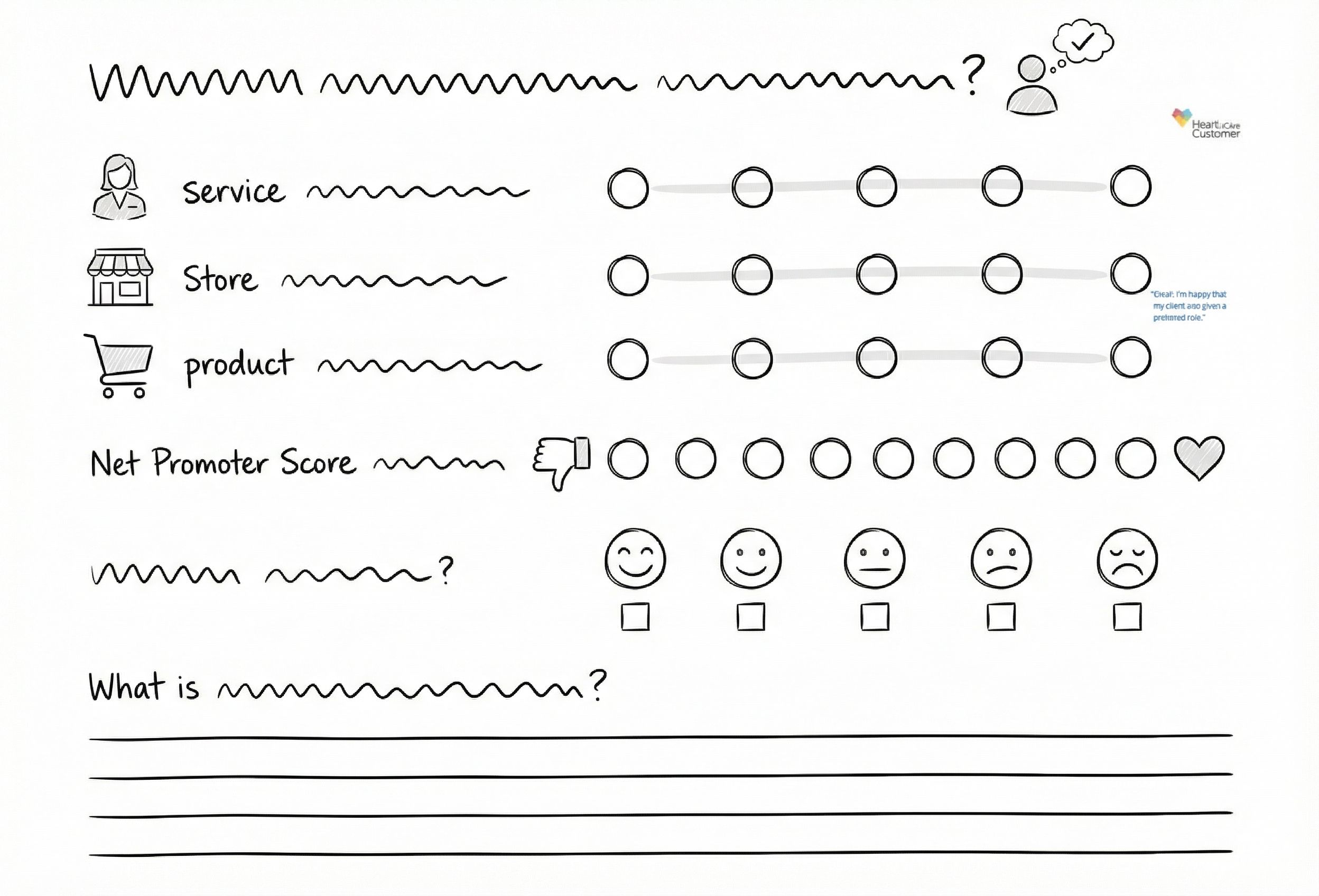
By implementing comprehensive listening posts (surveys, social media, customer calls, observations, etc.) and tracking key experience metrics like CSAT and NPS, the organization was able to identify systemic friction points in digital onboarding. This feedback didn't just sit in a report; it was used to identify systemic friction points in key customer touchpoints, in areas like digital onboarding and customer support, leading to redesigned journeys that resulted in massive lifts in application completion rates and reductions in service times.
In a service-oriented environment, research allows us to "close the loop." By conducting interviews and usability testing, we can ensure that an internal system reduces the administrative burden on employees and provides the impact envisioned for customers. It moves the conversation from "Does it work?" to "Does it help us grow?"
The Path Forward: Better Outcomes by Design
Integrating a practitioner’s approach to human-centered design isn't about adding another phase to a project, it’s about embedding a new capability into every stage of the lifecycle. At Cloudloop, this philosophy is part of how we ensure our technical excellence translates into human success.
By clarifying assumptions early, aligning stakeholders through visualization, and validating every step with research, we reduce rework and speed up user acceptance. In the face of complex transformations, our guidance is crucial, whether we are serving the Health and Life Sciences sector, High-Tech, or Retail. Our role is to help people see through the technical fog and stay focused on the human outcomes that actually matter.
Complex transformations demand more than just technical expertise; they require a deep understanding of the people at the center of the system.
I’m excited to help the Cloudloop team and our customers turn that understanding into reality.